 EN
EN
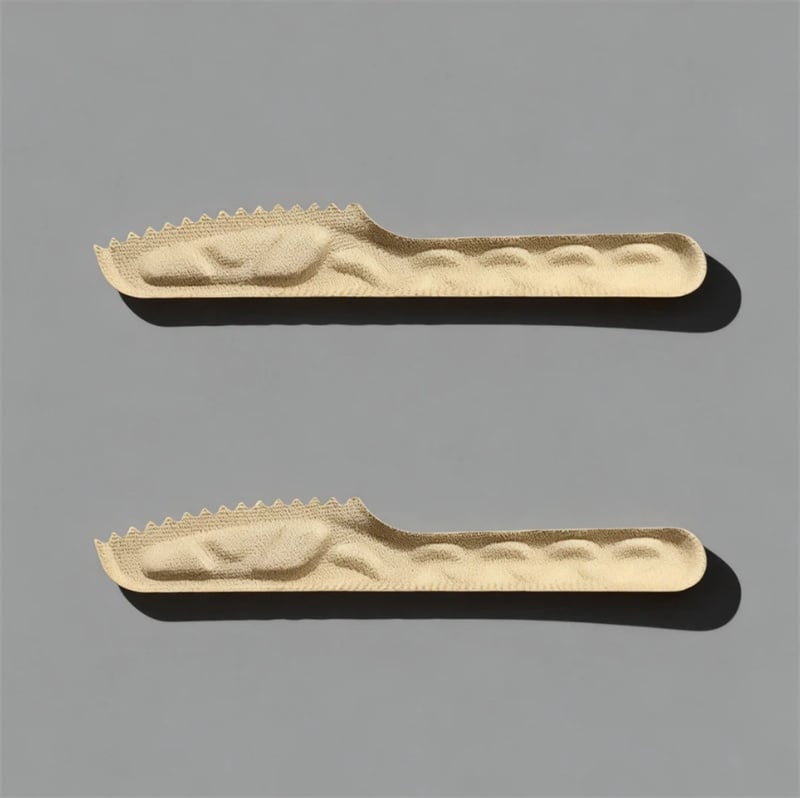
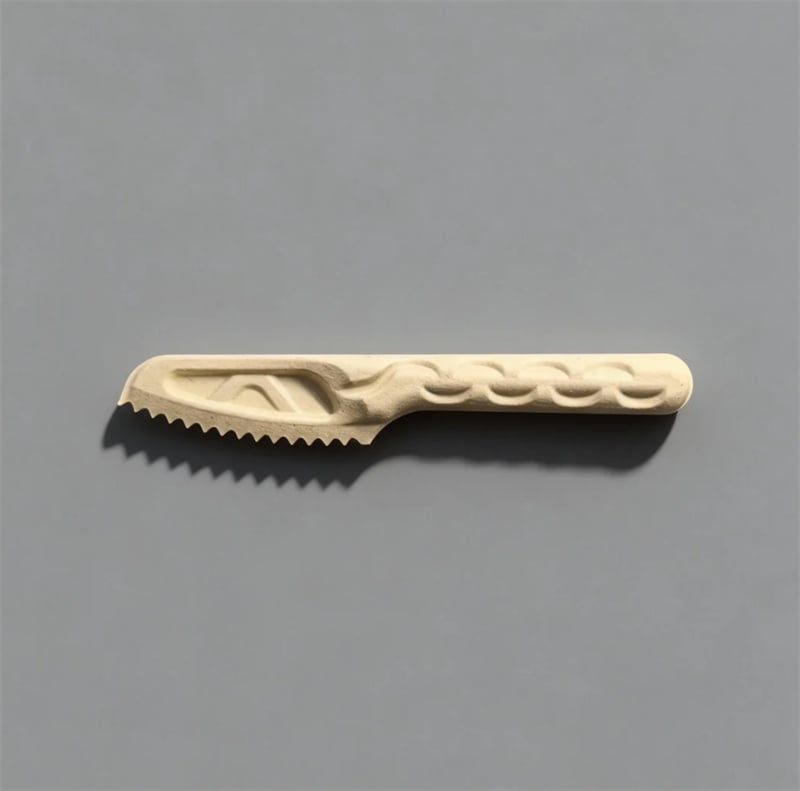
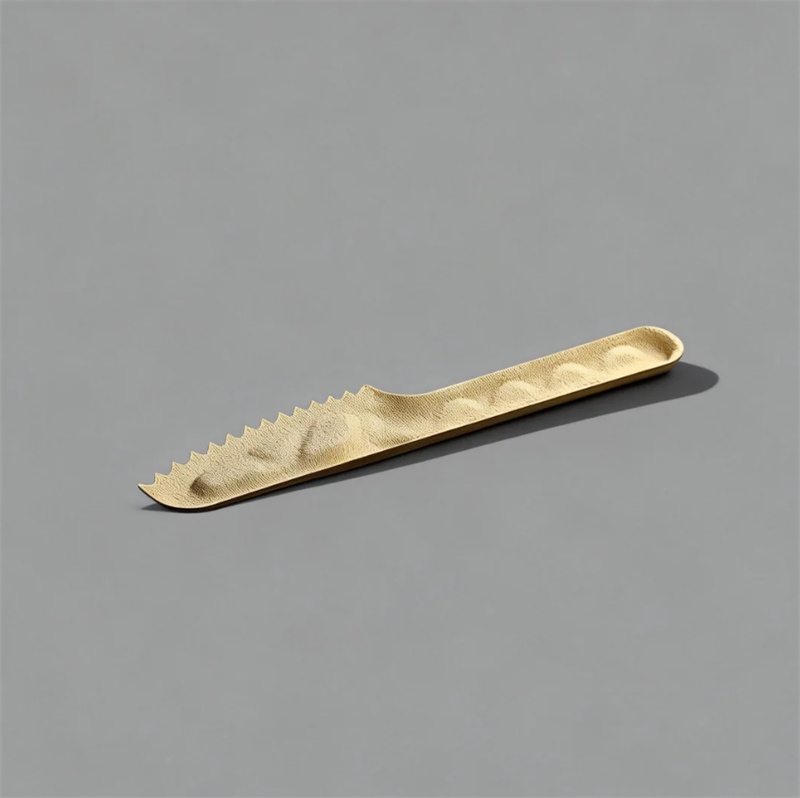
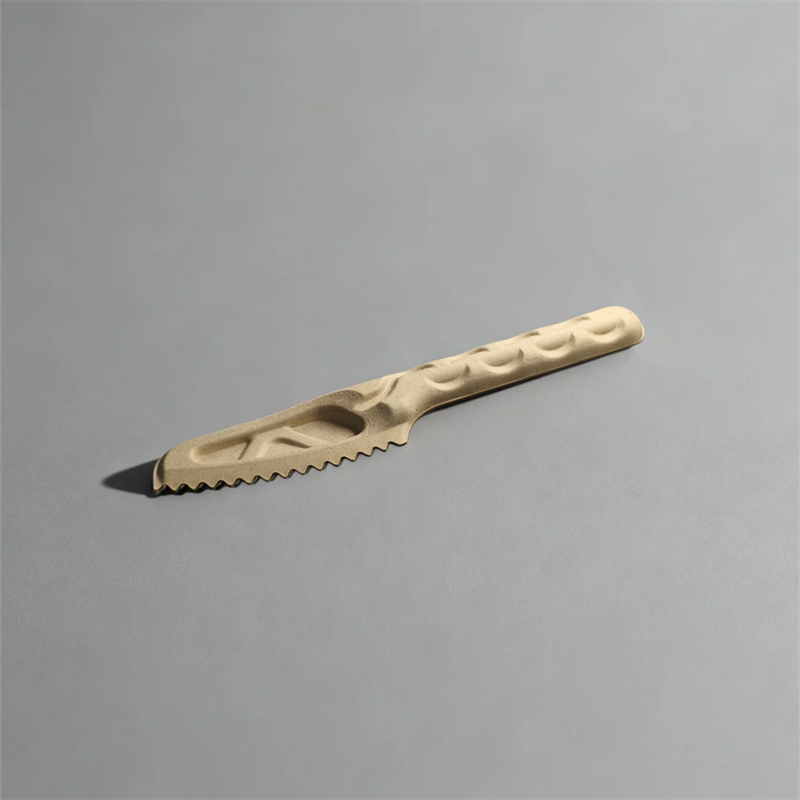
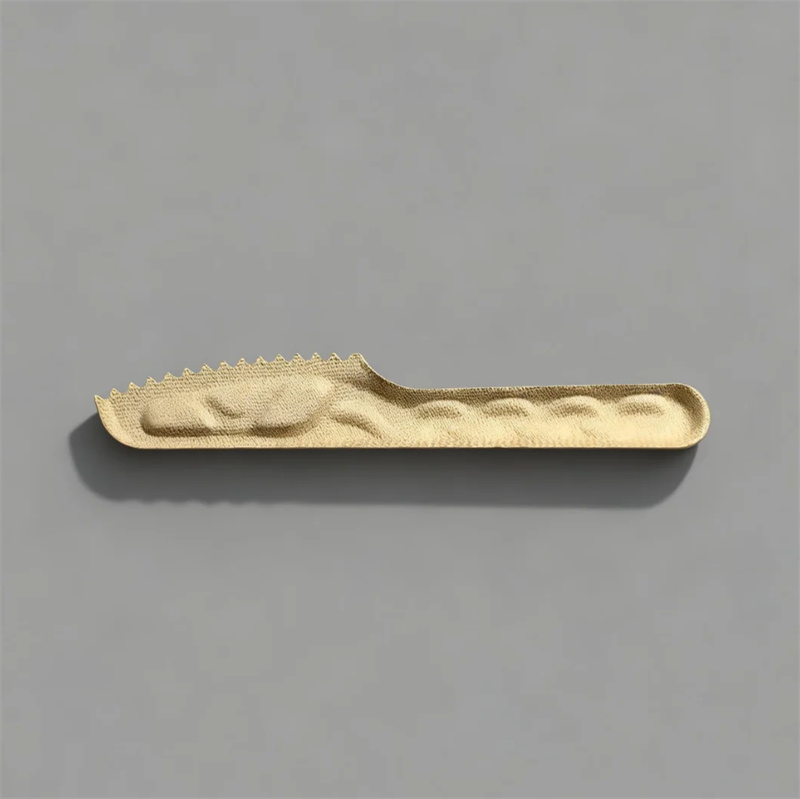
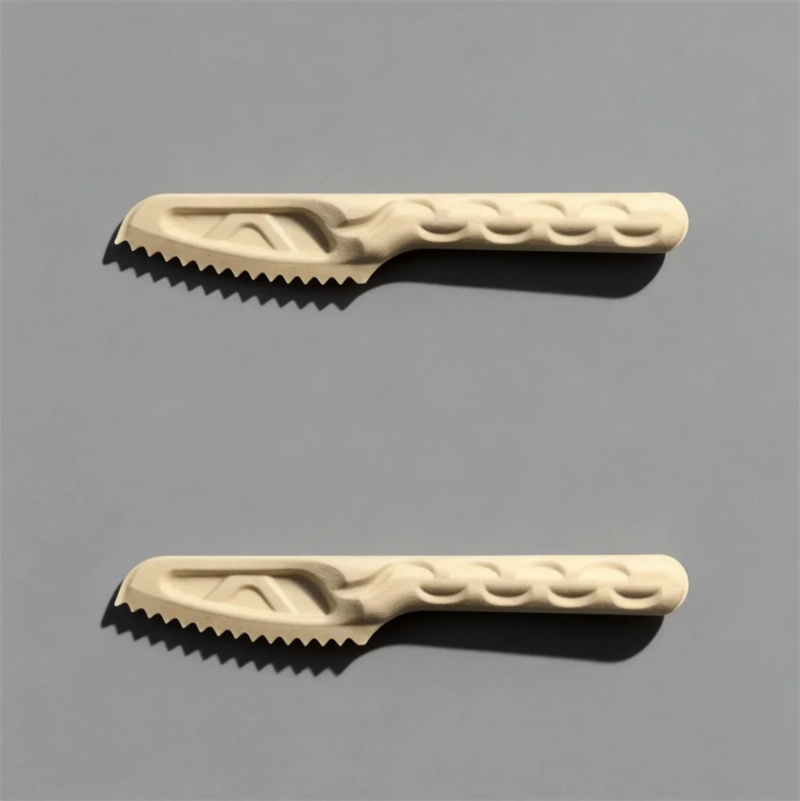
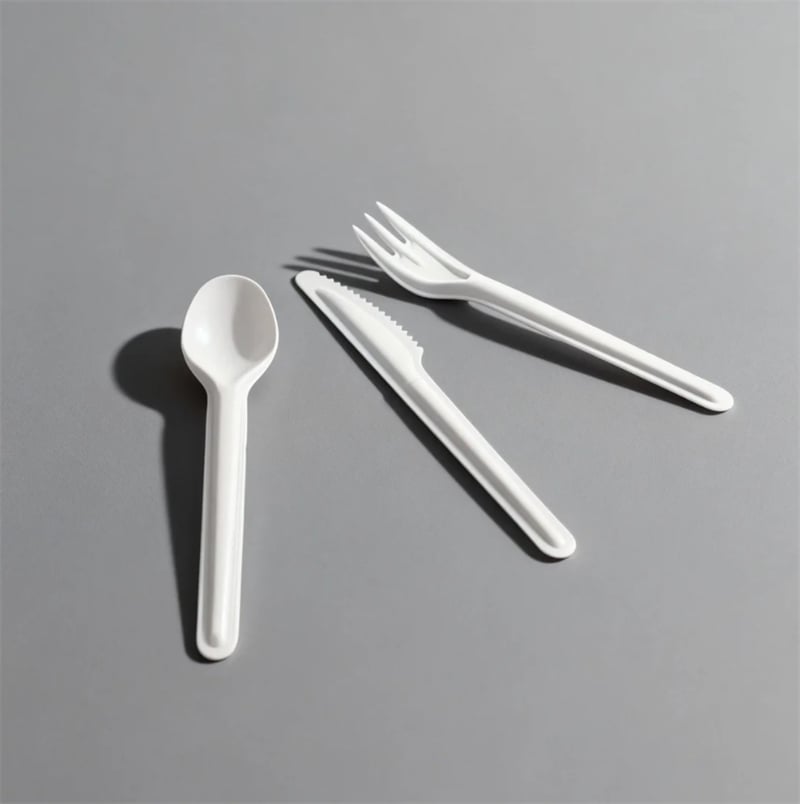
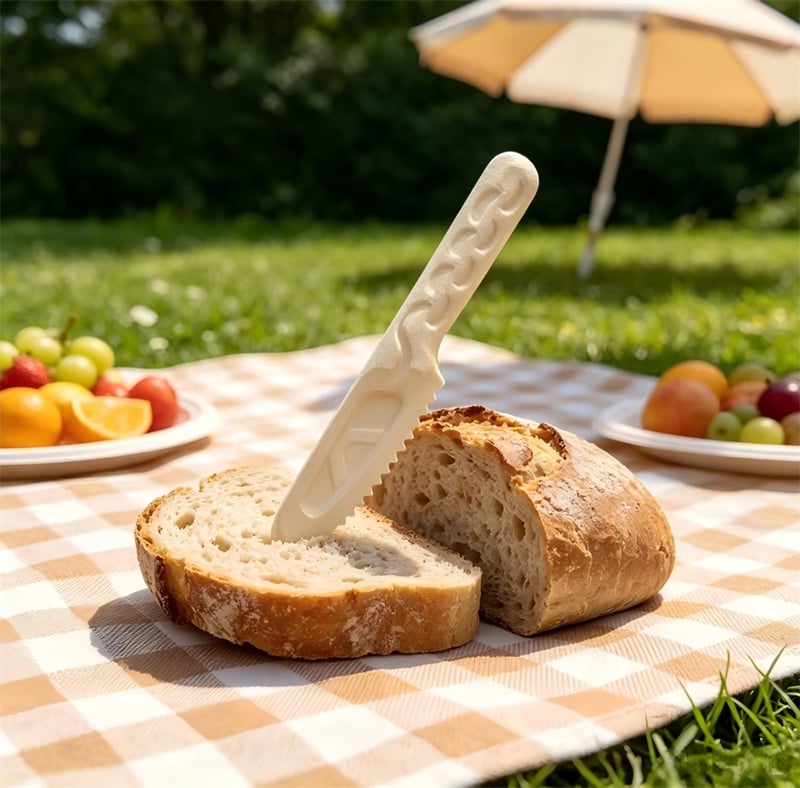
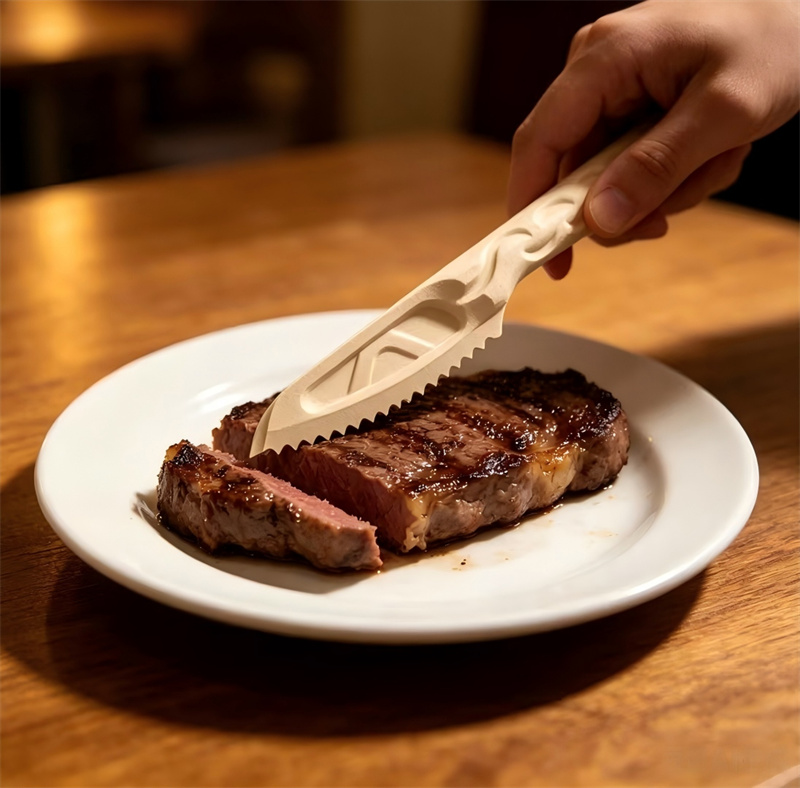
The wet pressed pulp knife is a compostable disposable utensil crafted from renewable sugarcane bagasse through precision wet pressing technology. Unlike flat paper blades, it features a precision serrated edge design that concentrates cutting pressure at the tooth tips, enabling clean cuts through chicken breast, steak, vegetables, and bread. With a reinforced spine, natural fiber texture for non-slip grip, and full compostability within 90 days, it is the sustainable alternative to plastic and wooden cutlery for food service, catering, and delivery.
| Sector | Typical Use Cases | Challenge | Pulp Knife Solution |
| Quick Service & Fast Casual | Burgers, chicken meals, salad bars | High volume, cost sensitivity, plastic ban compliance | Cost-effective compostable knife, zero compliance risk, bulk packaging |
| Full-Service Restaurants | Steakhouse, grill, fine dining takeout | Need real cutting performance, premium presentation | Serrated edge cuts steak, natural pulp texture complements table setting |
| Airline & Rail Catering | In-flight meals, train dining | Weight limits, compact storage, multi-market compliance | Lightweight pulp, serrated performance, EU/UK/China compliant |
| Corporate Catering & Events | Boxed lunches, conference meals, buffet | Professional presentation, eco-friendly procurement | Natural fiber look suits corporate sustainability goals, zero plastic narrative |
| School & Institutional | School cafeterias, hospital meals, prison facilities | Safety, durability, eco-friendly procurement policies | Rounded tip design available, FDA certified, compostable for green procurement |
| Takeout & Delivery | Meal kit utensils, restaurant delivery sets | Consumer expectation for usable cutlery, brand differentiation | Cutting performance comparable to plastic, "eco-friendly" brand signal |
The pulp knife blade is not flat — it is engineered with precision serrated teeth. When cutting, the tooth tips contact the food surface first, concentrating pressure at sharp points before the gullets guide the separation. This is the same principle used in metal serrated knives. Combined with a reinforced spine and integrally molded rib structure, the knife cuts through pan-seared chicken breast and medium-rare steak with ease. For T-bone steak or hard bone, a metal knife is still recommended — the pulp knife covers 90% of daily dining scenarios.
Global plastic bans are rapidly covering single-use cutlery — the EU Single-Use Plastics Directive, UK plastic ban, and China plastic restriction all target plastic knives, forks, and spoons first. Wooden knives can substitute but require cutting down trees. The pulp knife uses sugarcane bagasse — a sugar industry byproduct — requiring no tree cutting, no petroleum, and no competition with food crops. After use, it biodegrades within 90 days in industrial composting, leaving zero microplastics behind. Because the raw material is pure plant fiber, there is no plastic taste or wooden flavor — it does not affect food taste at all.
The tactile experience of the pulp knife is distinctly different from plastic. Plastic knives feel lightweight, slippery when wet, and cold to the touch in winter. The pulp knife's fiber surface has natural micro-texture that provides grip — even with wet hands. The weight is balanced — more substantial than plastic, lighter than wood. The matte natural pulp color sits on a dining table without the cheap reflective glare of plastic or the dark tone of wood. It blends into the table setting without distracting from the food presentation.
The cost of the pulp knife is currently slightly higher than PP plastic knives but lower than wooden knives. As plastic ban enforcement accelerates and pulp molding production capacity expands, the cost gap is narrowing rapidly. More importantly, the compliance cost difference is significant — using plastic knives risks fines and tariffs in regulated markets; pulp knives carry zero compliance risk. For chain restaurant brands, switching to "zero plastic" cutlery across all locations creates a marketable sustainability narrative that far exceeds the utensil cost difference.
| Dimension | Plastic Knife (PP/PS) | Wooden Knife | Wet Pressed Pulp Knife |
| Raw Material | Petroleum-based polypropylene/polystyrene | Solid wood (tree cutting required) | Sugarcane bagasse, bamboo fiber — agricultural residue, no trees cut |
| Cutting Performance | Smooth edge, moderate cutting | Can be sharp but inconsistent | Precision serrated teeth — concentrated pressure, cuts steak & chicken |
| Grip & Handling | Slippery when wet, cold feel | Dry feel, may have splinters | Natural fiber micro-texture, non-slip even with wet hands, warm feel |
| Taste & Odor | May have plastic taste | May have woody flavor | No taste, no odor — pure plant fiber, food-safe |
| Compliance | Banned/restricted under EU SUP, UK, China plastic bans | Compliant but deforestation concern | Fully compliant — zero plastic, zero compliance risk |
| Degradability | Hundreds of years, microplastic pollution | Biodegradable but slow | 90 days industrial composting — zero microplastics |
| Cost Position | Lowest cost | Medium-high cost | Below wooden knife, slightly above plastic — gap narrowing |
| Parameter | Specification |
| Material | Sugarcane bagasse, bamboo and wood fiber |
| Manufacturing Process | Wet pressing pulp molding (120-180 mesh surface) |
| Blade Design | Precision serrated teeth (multiple tooth points for concentrated cutting pressure) |
| Spine Thickness | 0.6-1.2mm |
| Overall Length | Approx. 165mm (standard cutlery length) |
| Color | Natural light beige (pulp natural color), custom pulp dyeing available |
| Surface Texture | Natural fiber micro-texture — non-slip grip when wet |
| Temperature Range | -20C to 100C (suitable for hot and cold foods) |
| Taste & Odor | No plastic taste, no woody flavor — neutral, food-safe |
| Certifications | FSC, OK Compost, FDA food contact approved |
| Degradation | 90 days in industrial composting conditions |
| OEM / ODM | Supported (design mold sampling mass production) |
| MOQ | 1,000 units |
| Sampling Lead Time | 7-15 working days |
| Production Lead Time | 20-30 working days |
| Packaging | Bulk packed / individually wrapped in paper or PLA bag / custom packaging available |