 EN
EN
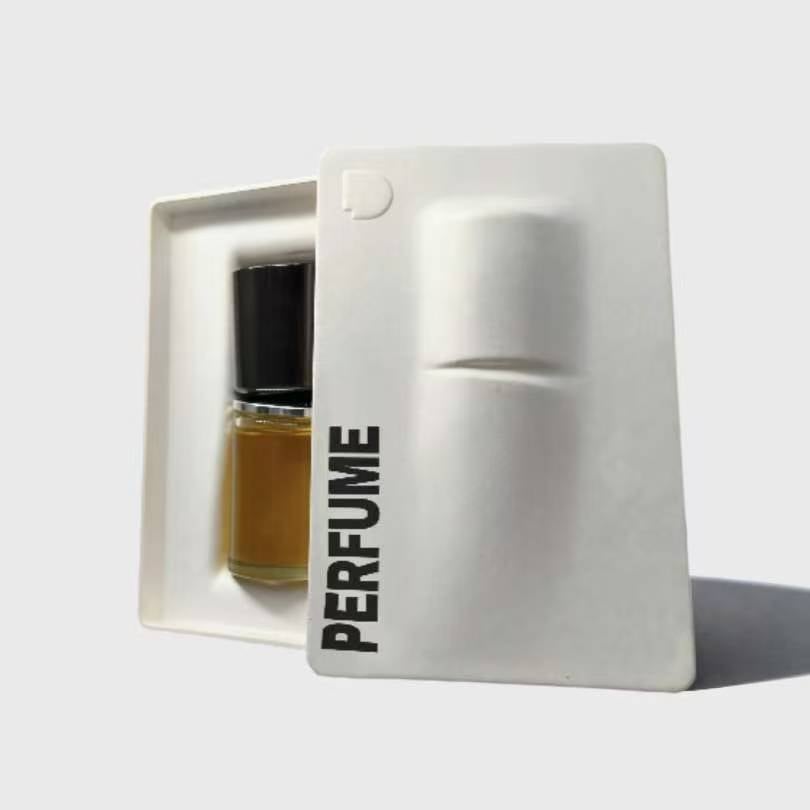
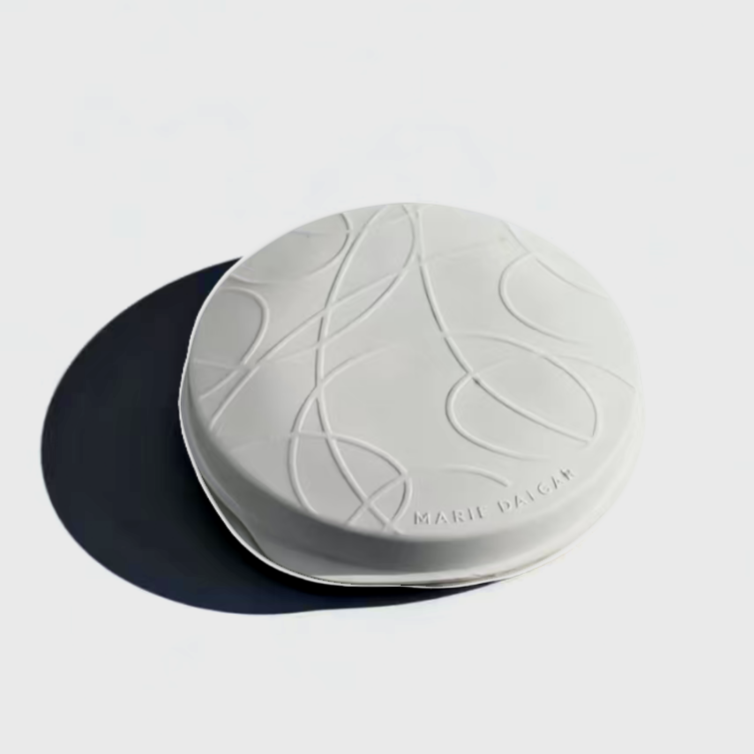
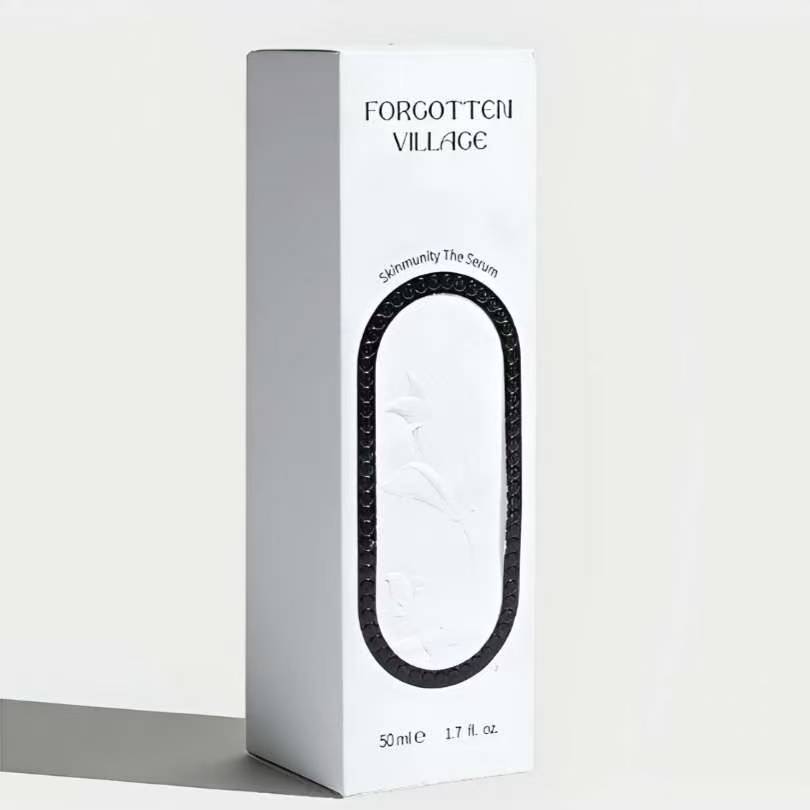
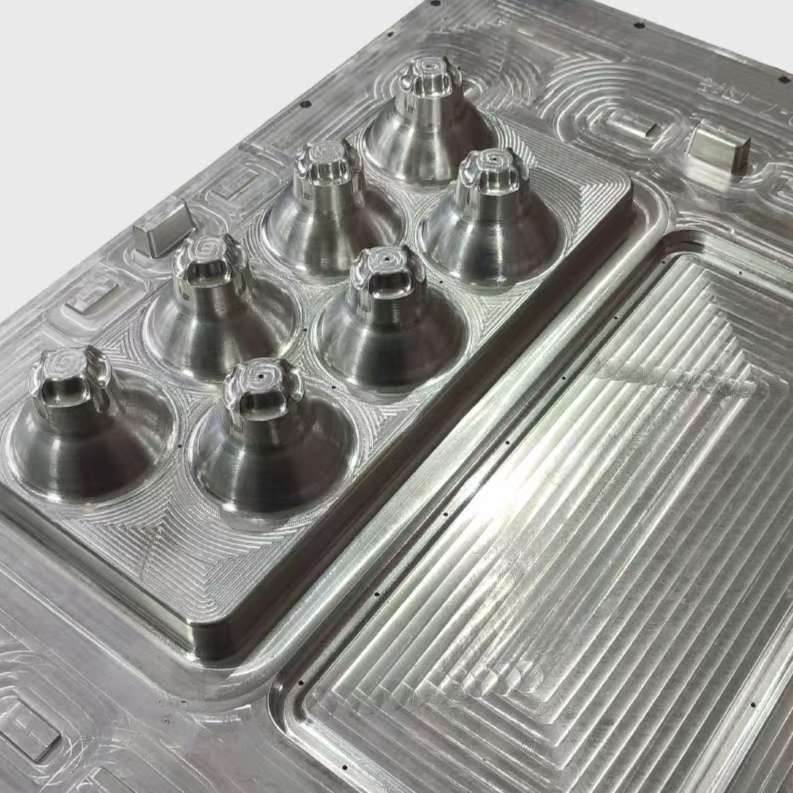
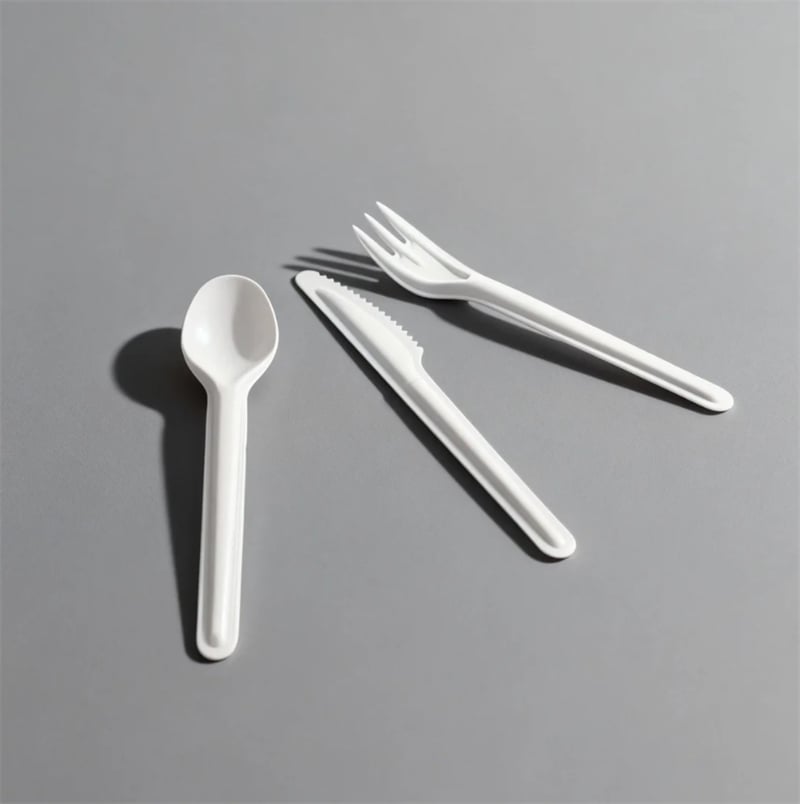
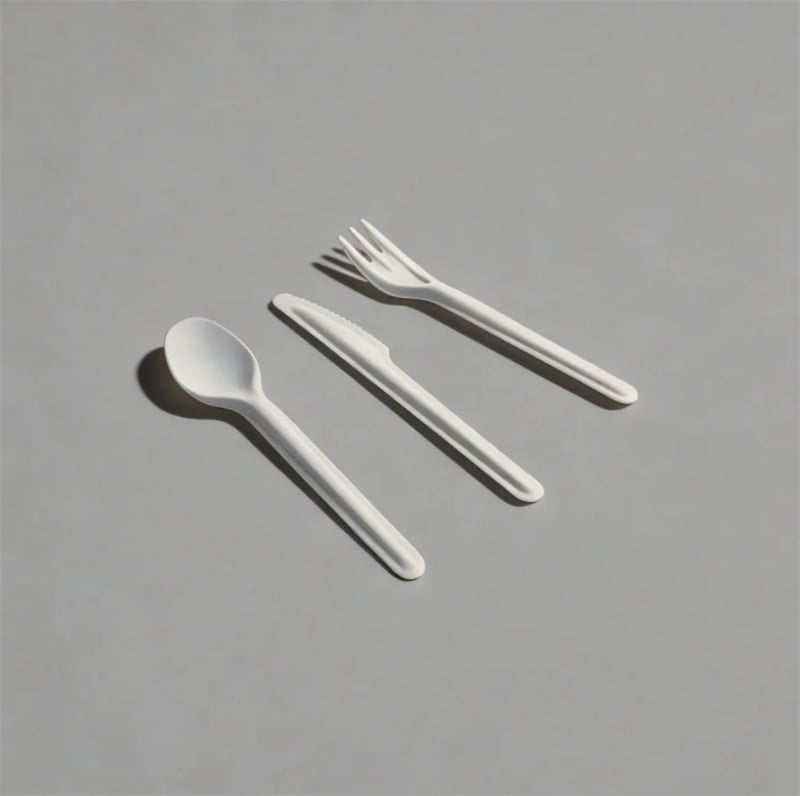
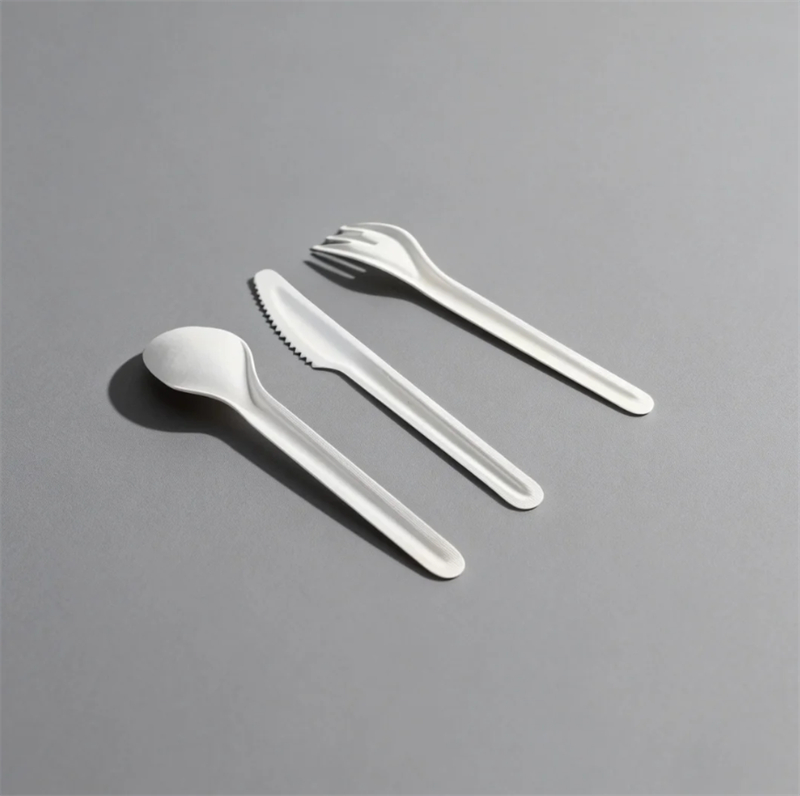
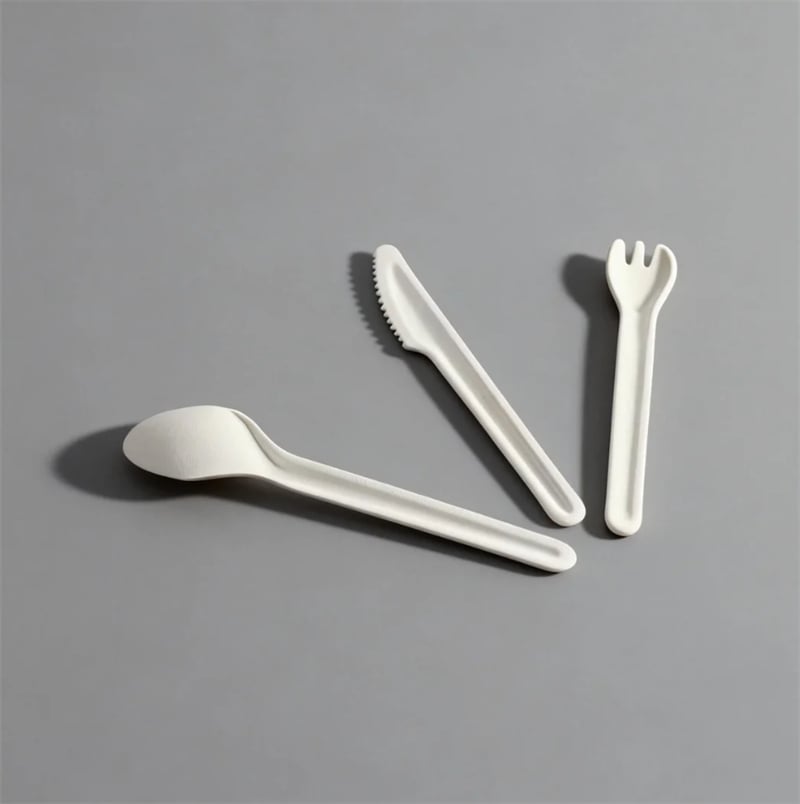
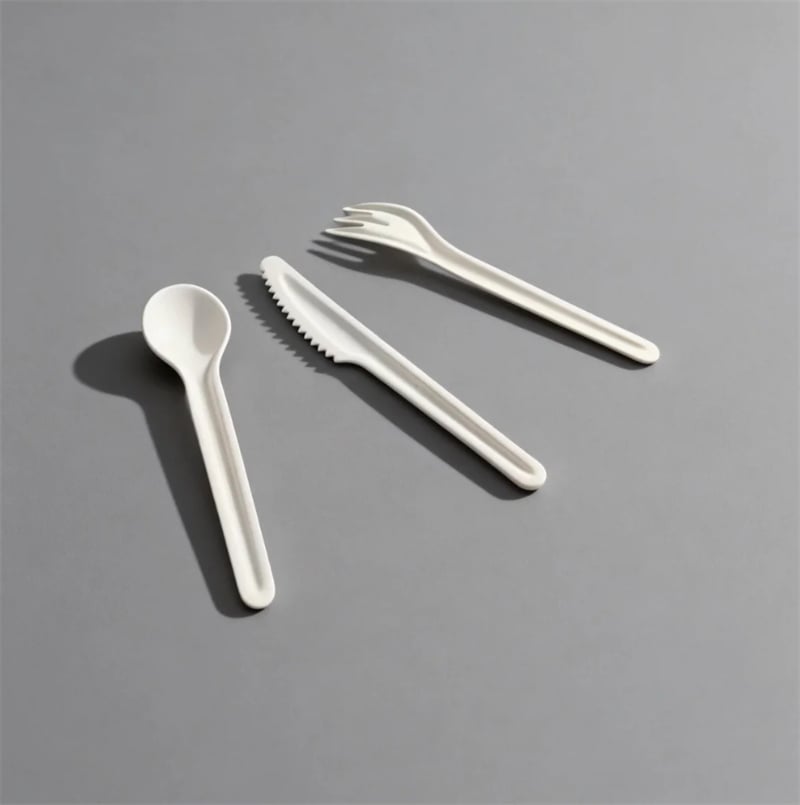
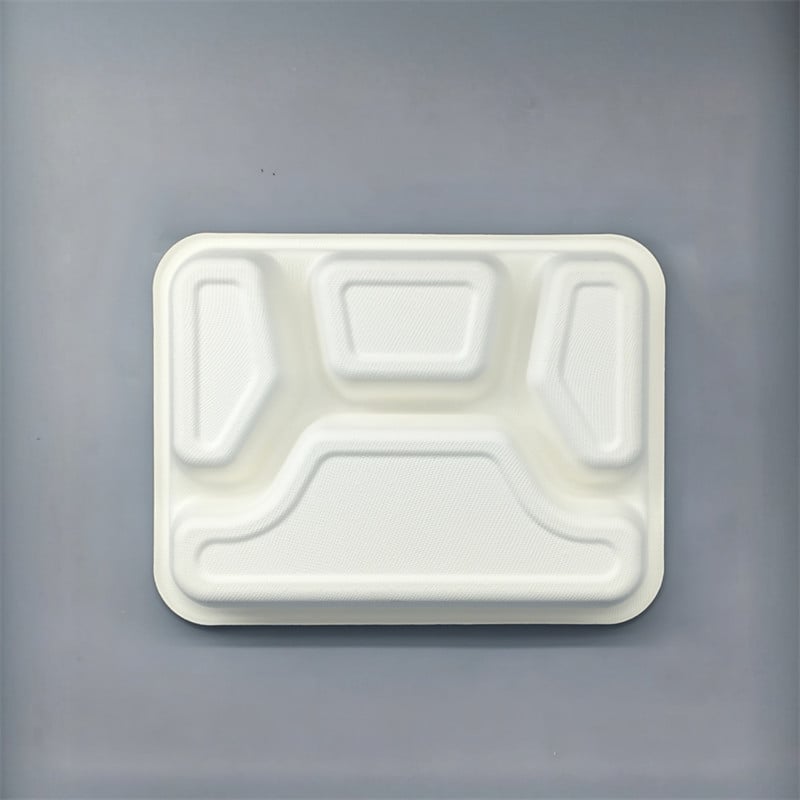
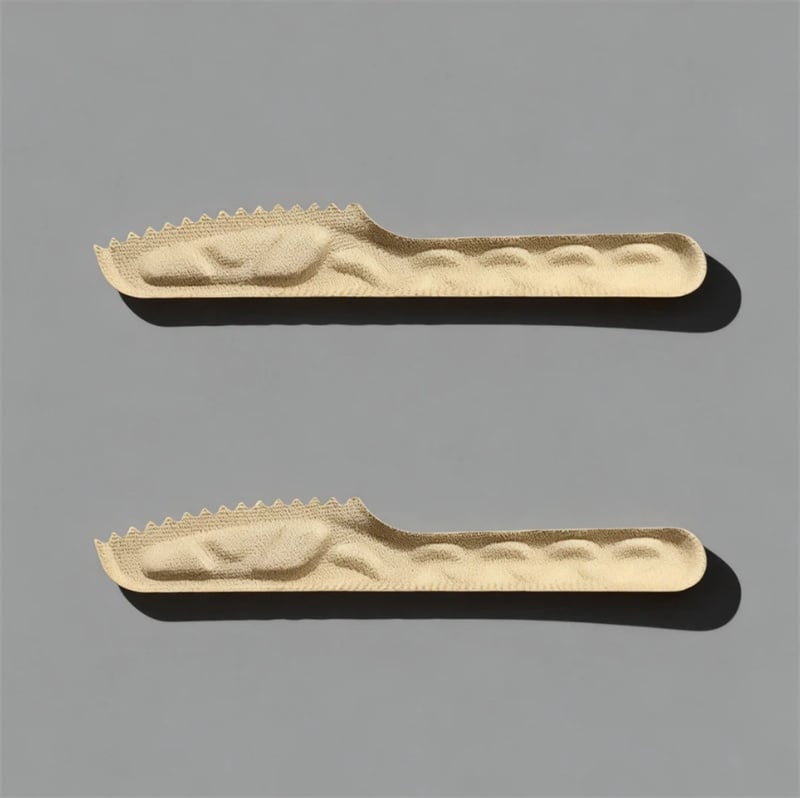
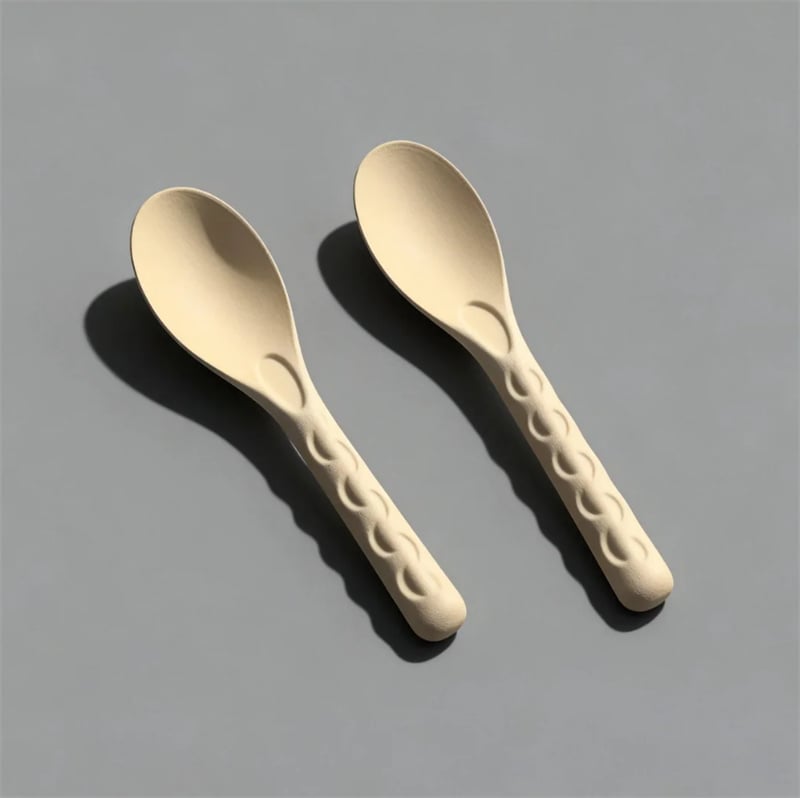
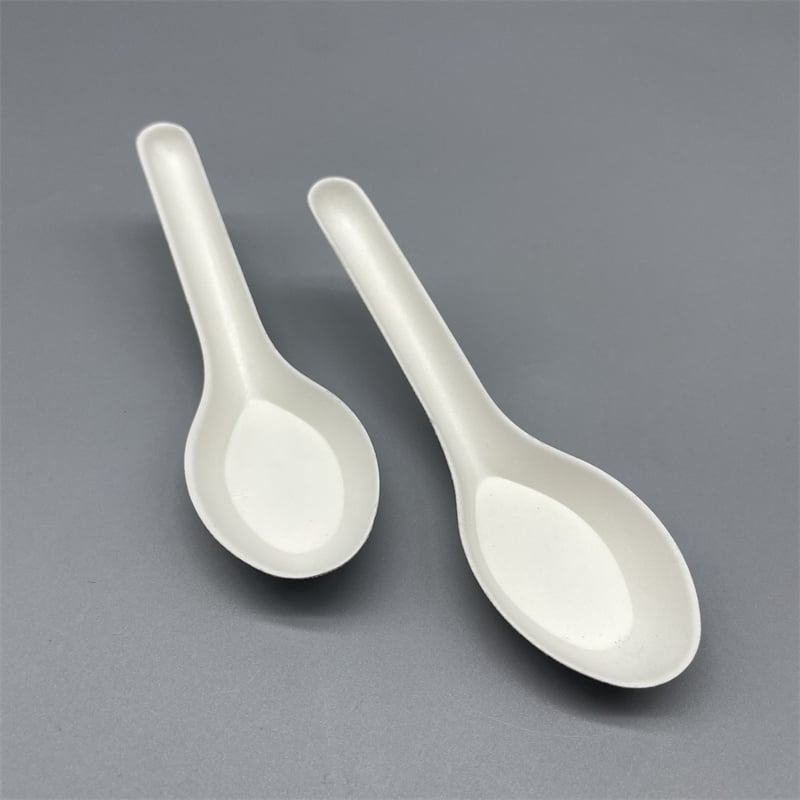
Pulp molded sustainable cutlery (knives, forks, spoons) is crafted from 100% renewable plant fibers—including bagasse, bamboo, and wood , all natural biomass materials—via a sophisticated production process of pulping, vacuum forming, hot-press curing, precise cutting and shaping, ensuring a sturdy and smooth finish. The product line covers standard knife-fork-spoon sets for both adults and children: the kids’ version is ergonomically downsized , while the adult one fits regular dining needs. Offered in single-piece individual packaging or combined sets for flexible use, the cutlery features a professional food-grade water and oil-resistant surface treatment. It safely contacts hot and cold food as well as soups, with no peculiar smell or harmful substance release, and fully complies with stringent international food contact safety standards.
| Product Name | Molded Pulp Eco-friendly Tableware |
| Material | Natural Fibers ( Bagasse Pulp, Bamboo Pulp and Wood Pulp) |
| Eco-friendly Features | Bio-degradable, Compostable, Recyclable |
| MOQ | 1000 Pieces |
| Customization Service | Size, Shape, Color |
| Design | Customization Available |
1. Catering Service Scenarios
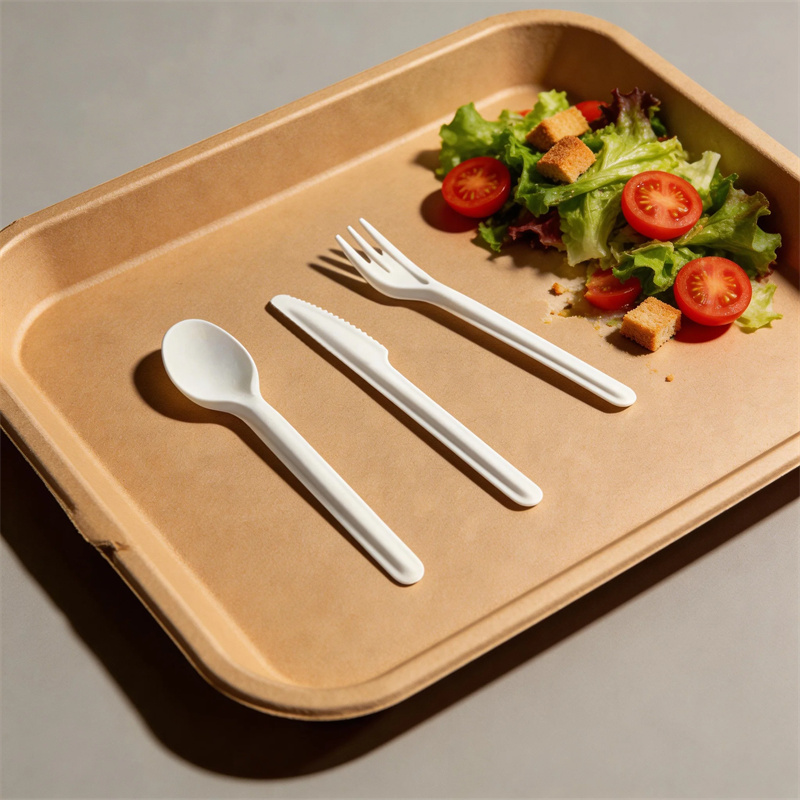
Ideal for fast food chains, food delivery platforms, cafes, milk tea shops, buffets, banquets and other catering businesses, suitable for delivery and in-store dining of hamburgers, salads, cakes, porridge, cooked food and more. It is especially a perfect match for catering brands with an eco-friendly positioning.
2. Business & Event Scenarios
Applicable for temporary dining in corporate annual meetings, business conferences, exhibition coffee breaks, outdoor team building, wedding dinners, etc. Disposable and no cleaning required, it reduces logistics support pressure and conveys the corporate social responsibility of environmental protection.
3. Home & Daily Scenarios
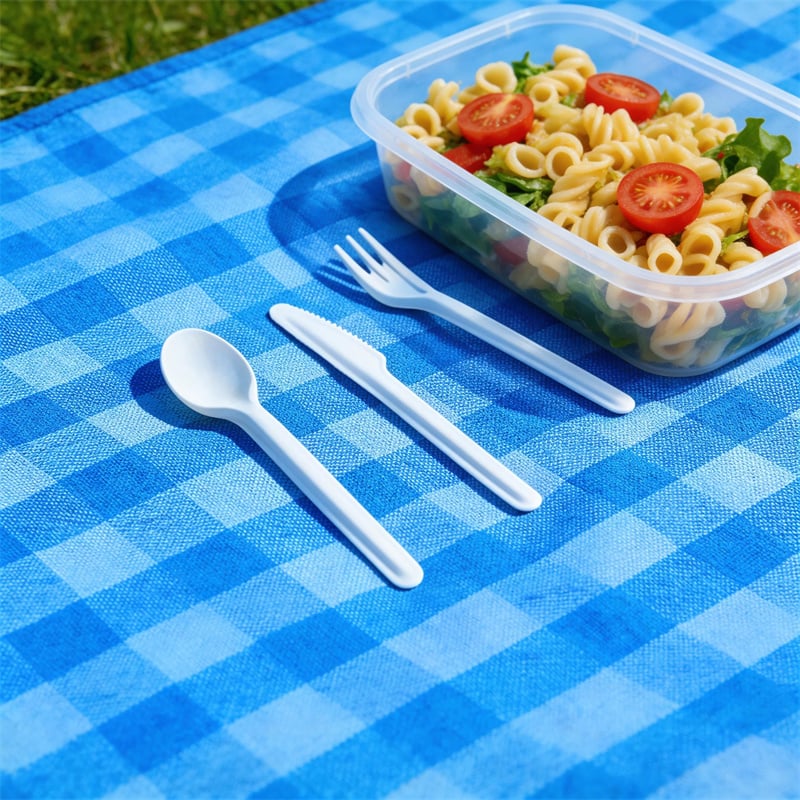
Suitable for family dinners, picnics and camping, baby food feeding, holiday feasts and other daily scenes, solving the demand for temporary tableware and avoiding the trouble of cleaning. The children's version, with safe round edges and mild material, is the first choice for parent-child dining.
4. Special Demand Scenarios
Fit for school canteens, hospital meal distribution, nursing home catering and other scenarios with high safety and environmental requirements. It also serves as supporting tableware for mobile dining such as airline meals, high-speed rail meals and scenic spot catering, complying with the environmental norms of public catering.
1. Ultimate Eco-friendliness & Sustainability
Made from natural renewable resources, it causes zero plastic pollution throughout the whole life cycle. It is fully biodegradable after use or recyclable for repulping, aligning with the dual carbon goals and green consumption trend. The production process contains no harmful chemical additives such as heavy metals or fluorescent agents, generating over 60% less carbon emissions than traditional plastic cutlery, and causes no pollution to soil and water sources when discarded.
2. Safe, Practical & Easy to Use
The natural non-toxic material is free of plastic odor, avoiding the risk of microplastic intake, especially suitable for children, sensitive groups and health-conscious consumers. Tough and unbreakable, the knife has a certain cutting capacity (suitable for cake, sandwich, cooked food, etc.), with stable spoon heads and fork tines. The water and oil-resistant coating effectively prevents soup penetration, ensuring a clean and leak-free dining experience.
3. Cost-effective & High Adaptability
With widely available and low-cost raw materials, its mass production cost is lower than PLA and other bio-plastic cutlery, featuring high cost performance. Boasting mature production technology, it supports large-scale mass production and personalized customization—color adjustment (natural off-white, biodegradable plant dyeing), brand LOGO or environmental logo engraving are all available, meeting branding needs of different scenarios.
4. Convenient Storage & Transportation
Lightweight (single piece approx. 5-8g), it takes up little space when stacked, with storage costs much lower than ceramic and metal cutlery. Shatter and shock resistant, the loss rate during transportation is less than 1%, reducing logistics costs by about 30% compared with traditional cutlery.