Description
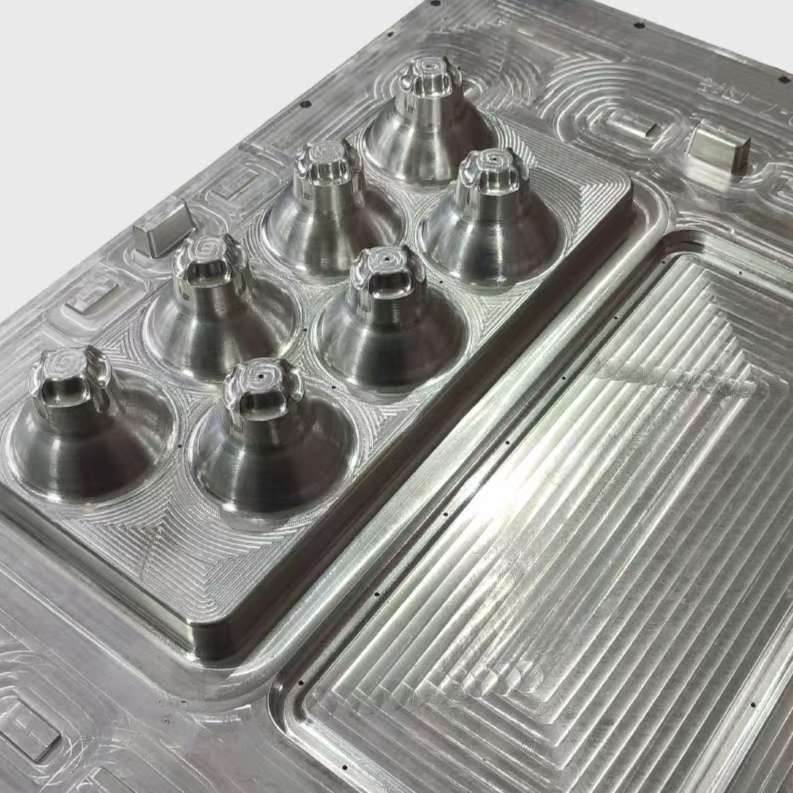
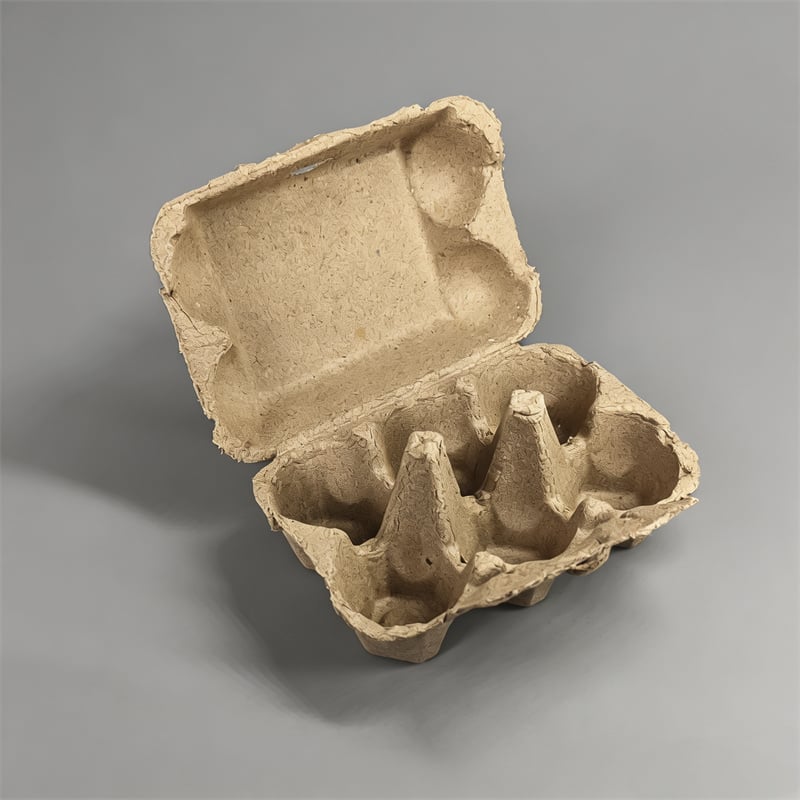
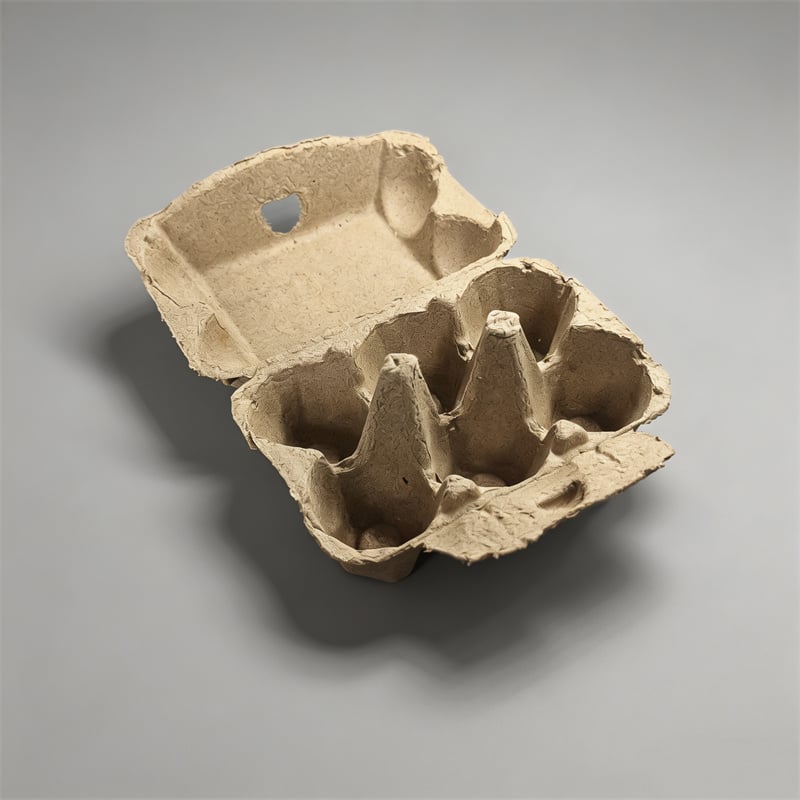
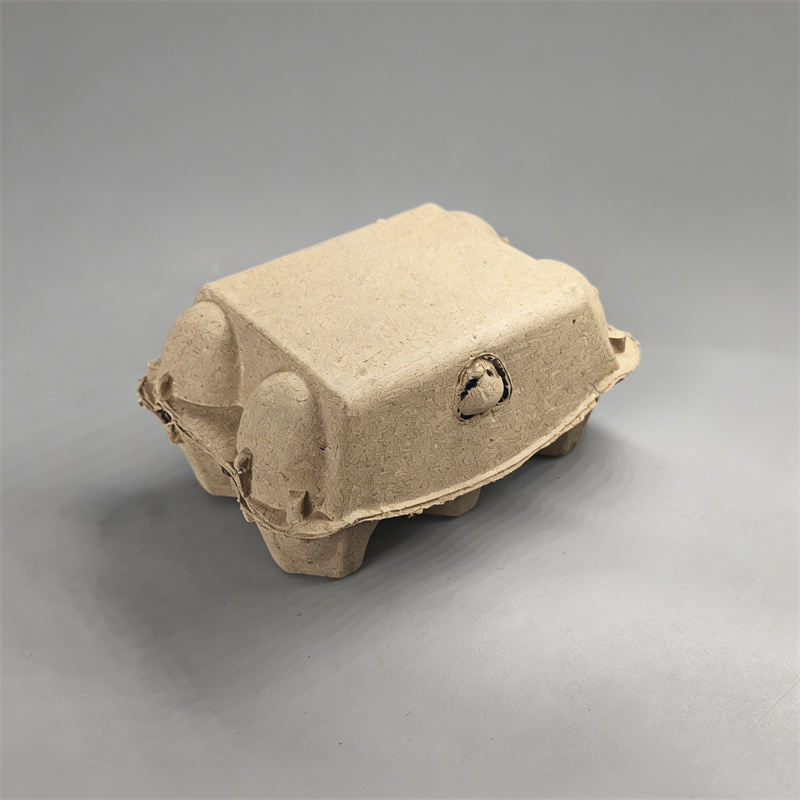
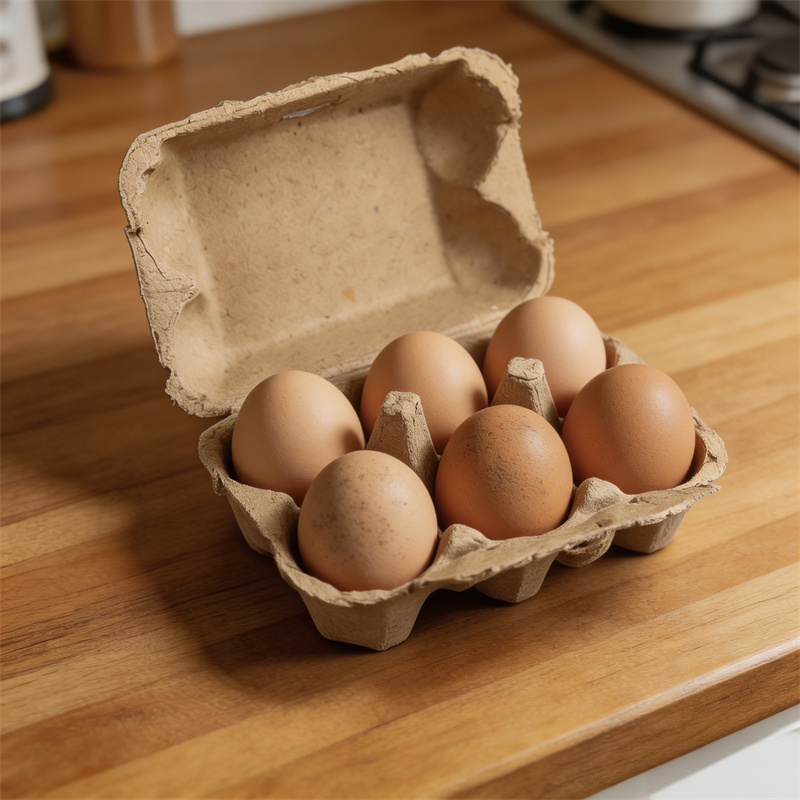
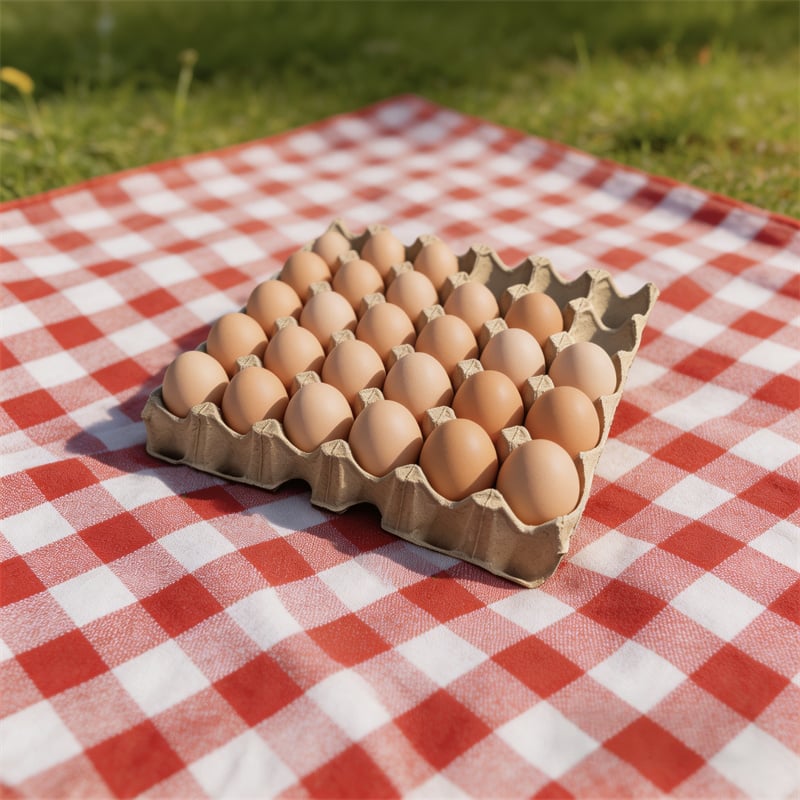
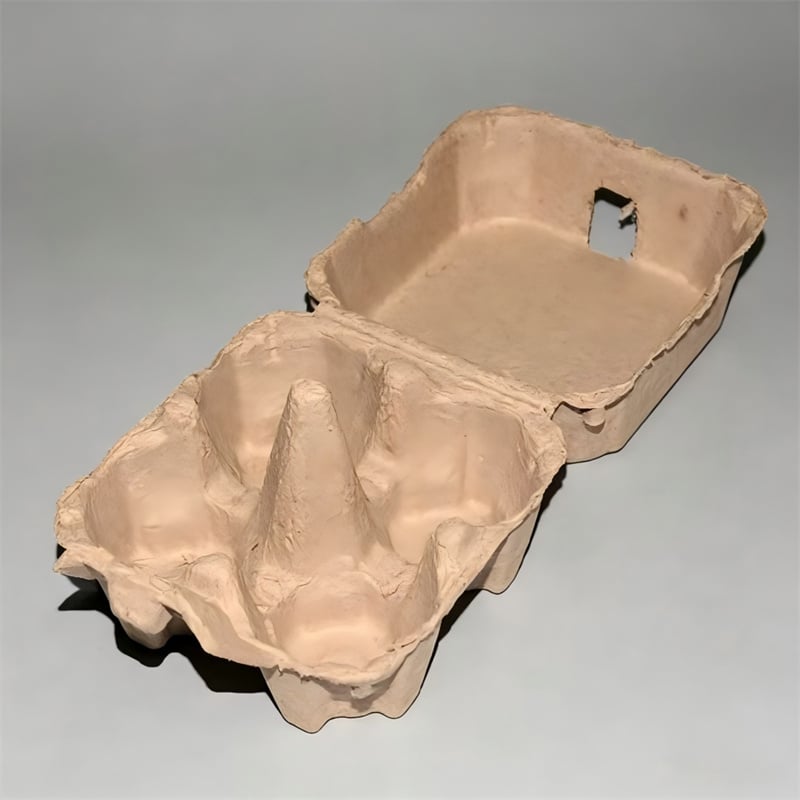
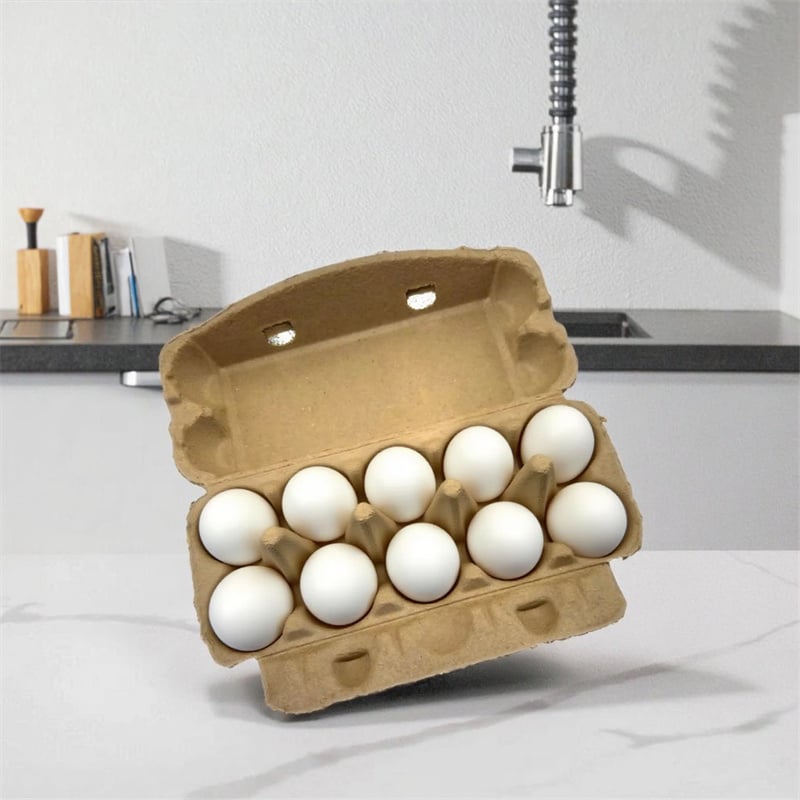
The Dry-Pressed Molded Fiber 6-Cell Egg Carton is a practical, cost-effective, and environmentally responsible packaging solution for eggs. Manufactured through the dry-press molding process using 100% recycled paper (old newspapers, corrugated board scraps, and waste paper), this carton provides reliable protection for half-dozen egg packaging at the lowest possible cost.
Each of the six individual cells cradles an egg in a 360° fiber cushion, absorbing shock and distributing pressure across the entire structure during transport and stacking. Unlike plastic egg cartons that trap moisture and cause condensation, the natural micro-porous structure of molded fiber allows air to circulate freely, keeping eggs dry and extending shelf life by 3-5 days compared to plastic alternatives.
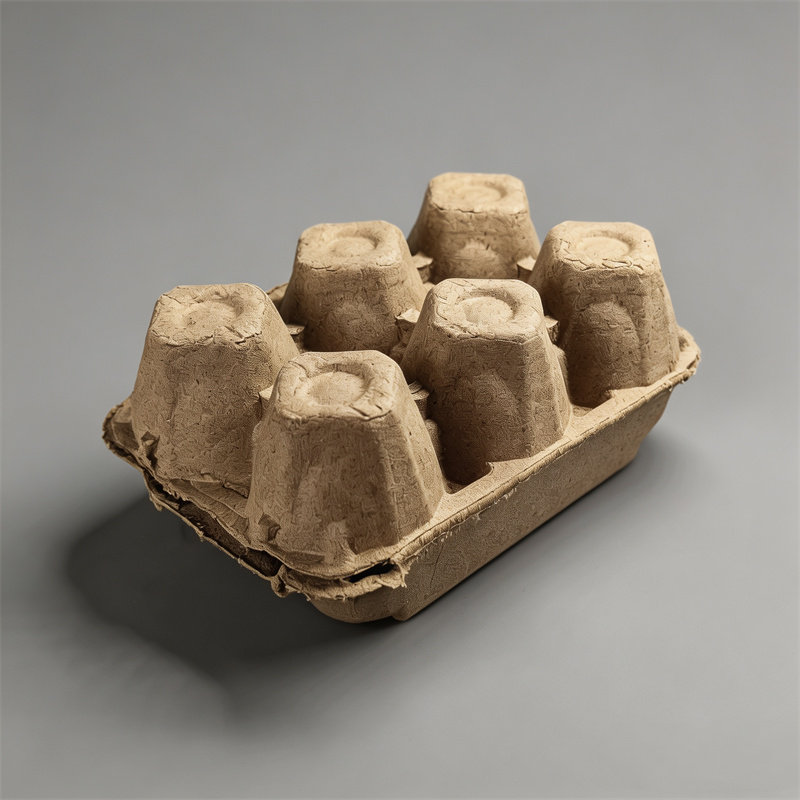
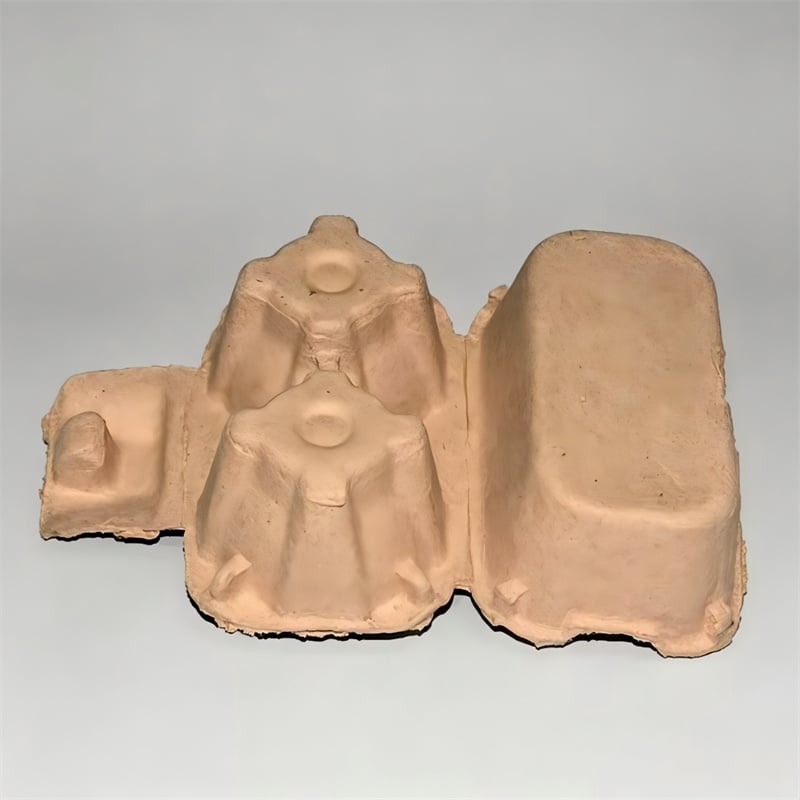
The carton features an interlocking lid-to-base stacking design for stable palletizing and shelf display, while empty cartons nest inside each other to save storage space. Made from recycled paper with no bleaching or chemical additives, it is fully recyclable after use. At 30-50% lower cost than folded paperboard cartons and 20-40% lower than plastic egg boxes, it offers the best value proposition in the egg packaging market.
Application Scenarios
| Scenario |
Use Case |
Why Dry-Pressed Egg Carton |
Key Advantage |
| Egg Farms & Poultry Houses |
On-site egg grading and packing |
Low cost per unit; stackable for crate transport |
Cost control on high-volume output |
| Farmers Markets & Local Sales |
Direct-to-consumer farm egg sales |
Natural look communicates "farm fresh" |
Brands farm identity; premium perception |
| Supermarkets & Grocery Chains |
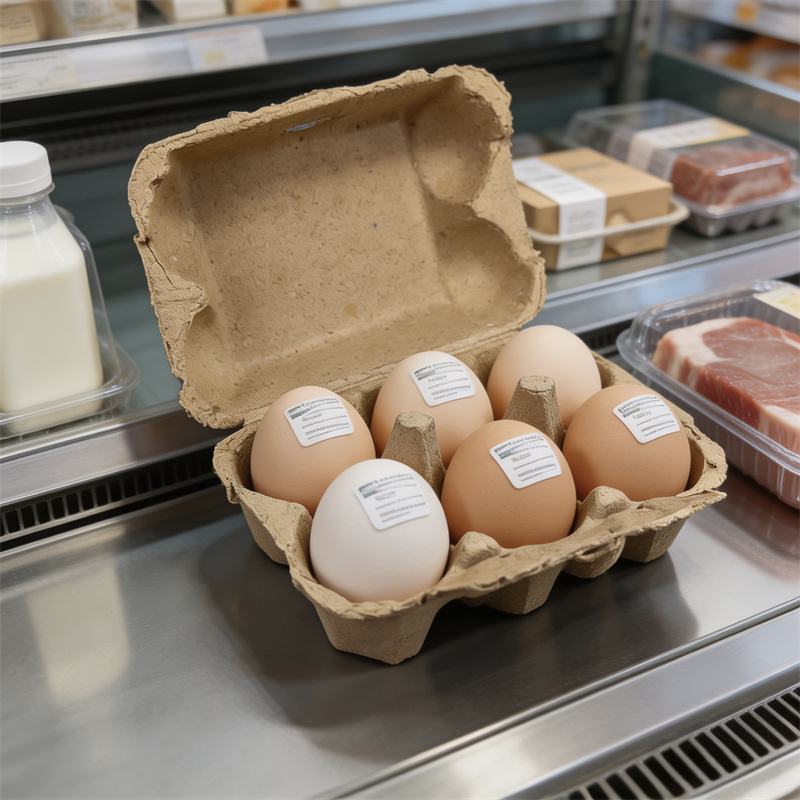
Retail shelf display for branded eggs |
Stackable; stable on shelf; breathable |
Shelf-appeal + longer freshness |
| Wholesale Egg Distributors |
Bulk egg distribution to retailers and food service |
Interlocking stack; low breakage rate |
Reliable bulk transport; fewer claims |
| Bakeries & Commercial Kitchens |
Bulk egg storage and daily use |
Easy to open; eggs release cleanly from cells |
Quick access; reduced labor time |
| Community Supported Agriculture |
CSA egg subscription boxes |
Lightweight; recyclable; natural look |
Aligns with CSA eco-friendly values |
| Food Service & Hotels |
Breakfast buffet egg supply |
Stackable storage; easy dispensing |
Space-efficient kitchen storage |
| Export (Developing Markets) |
Cost-effective egg packaging for price-sensitive markets |
Lowest cost option; minimal breakage |
Affordable protection for emerging markets |
Product Details
1 360° Fiber Cushioning — Each Egg in Its Own Protective Pod
Eggs are among the most fragile food products to transport. The primary job of an egg carton is to prevent breakage. Our dry-pressed fiber design achieves this through a combination of geometry and material properties:
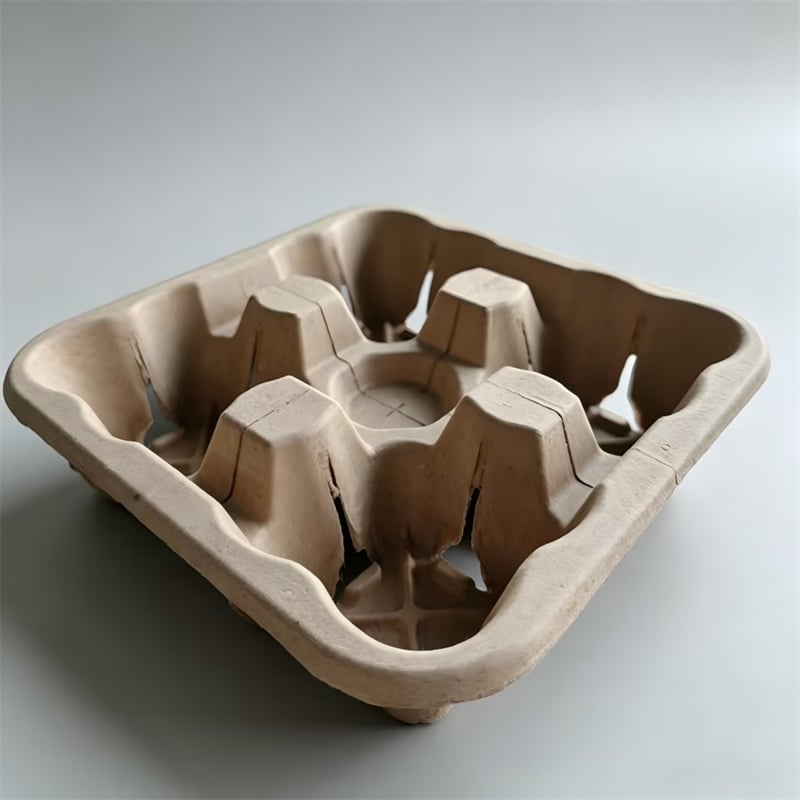
• Each of the 6 cells is precisely molded to match the curvature of a standard egg, providing a snug, supportive fit
• The molded fiber wall acts as a shock absorber — when the carton is jostled or dropped, the fiber compresses slightly, dissipating impact energy before it reaches the eggshell
• Unlike plastic egg cartons that transfer impact directly to the shell ("hard against hard"), the fibrous structure naturally dampens vibration and shock
• The lid presses down on the tops of the eggs, preventing them from lifting out of their cells during transport
• Field breakage rate: consistently below 1% in standard distribution conditions
2 Naturally Breathable — Eggs Stay Fresher, Longer
Plastic egg cartons have a hidden flaw: they trap moisture. When eggs transition from a cool storage environment to room temperature, condensation forms inside the sealed plastic box. This moisture promotes bacterial growth and accelerates spoilage.
• Molded fiber is naturally porous, with millions of microscopic air channels throughout the material
• These channels allow excess moisture to escape while maintaining a stable humidity level around each egg
• Result: eggs stay drier, with significantly less condensation compared to plastic boxes
• Extended shelf life: 3-5 days longer than eggs stored in plastic cartons under identical conditions
• No ventilation holes needed — the material itself is the ventilation system
3 Interlocking Stack & Nest Design — Efficient from Farm to Shelf
Egg cartons must work efficiently at every stage of the supply chain — from the packing line to the truck to the retail shelf.
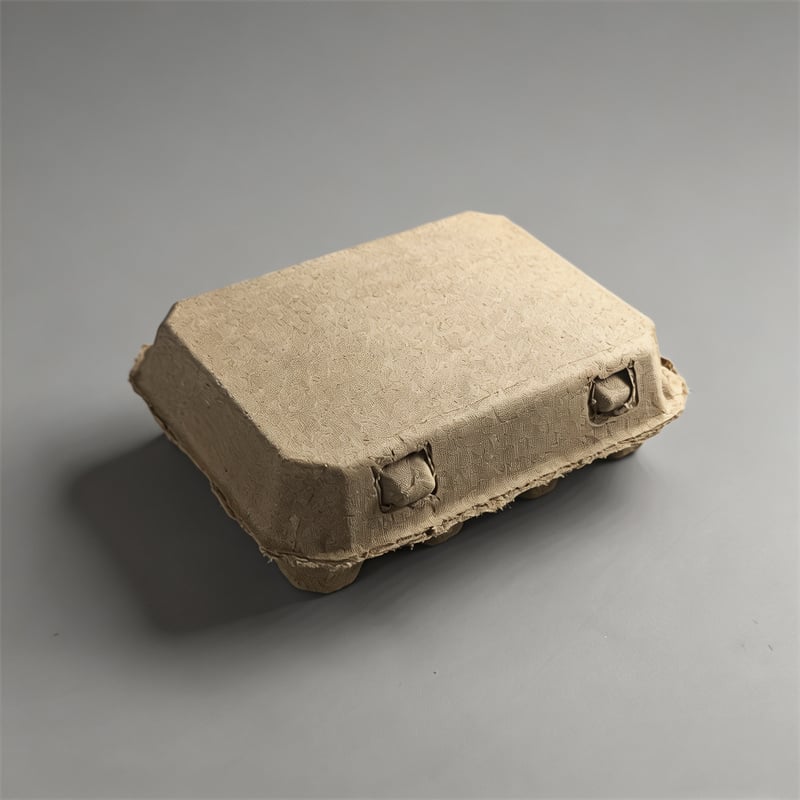
• Filled cartons: lid and base feature matching interlocking ribs and recesses that lock together when stacked
• Stacked columns stay aligned without shifting, even during truck transport
• Empty cartons: nestable design allows empty cartons to stack inside each other, reducing storage volume by up to 70%
• Standardized external dimensions compatible with common egg tray and crate systems
4 Made from 100% Recycled Paper — A True Circular Product
The dry-press process is inherently sustainable because it uses waste paper as its primary raw material:
• Input materials: old newspapers, corrugated board scraps, office paper waste, and other recycled paper sources
• Process: waste paper is pulped with water, formed on a mold, and dried — no bleaching, no chemical additives
• Finished product: 100% recyclable again after use, completing the circular loop
• Energy-efficient production: dry-press consumes significantly less energy than wet-press or plastic injection molding
5 Unbeatable Cost Efficiency
For high-volume egg producers and packers, packaging cost per egg is a critical metric:
• 30-50% lower cost than folded paperboard cartons (which require printing, cutting, gluing)
• 20-40% lower cost than plastic egg boxes (PET, PS, or RPET)
• Lightweight: each carton weighs only 15-20g, keeping shipping costs minimal
• No minimum order complexity: standard tooling is readily available for quick production ramp-up

 EN
EN